The Heatwave City: Rethinking Urban Life in a Warming World
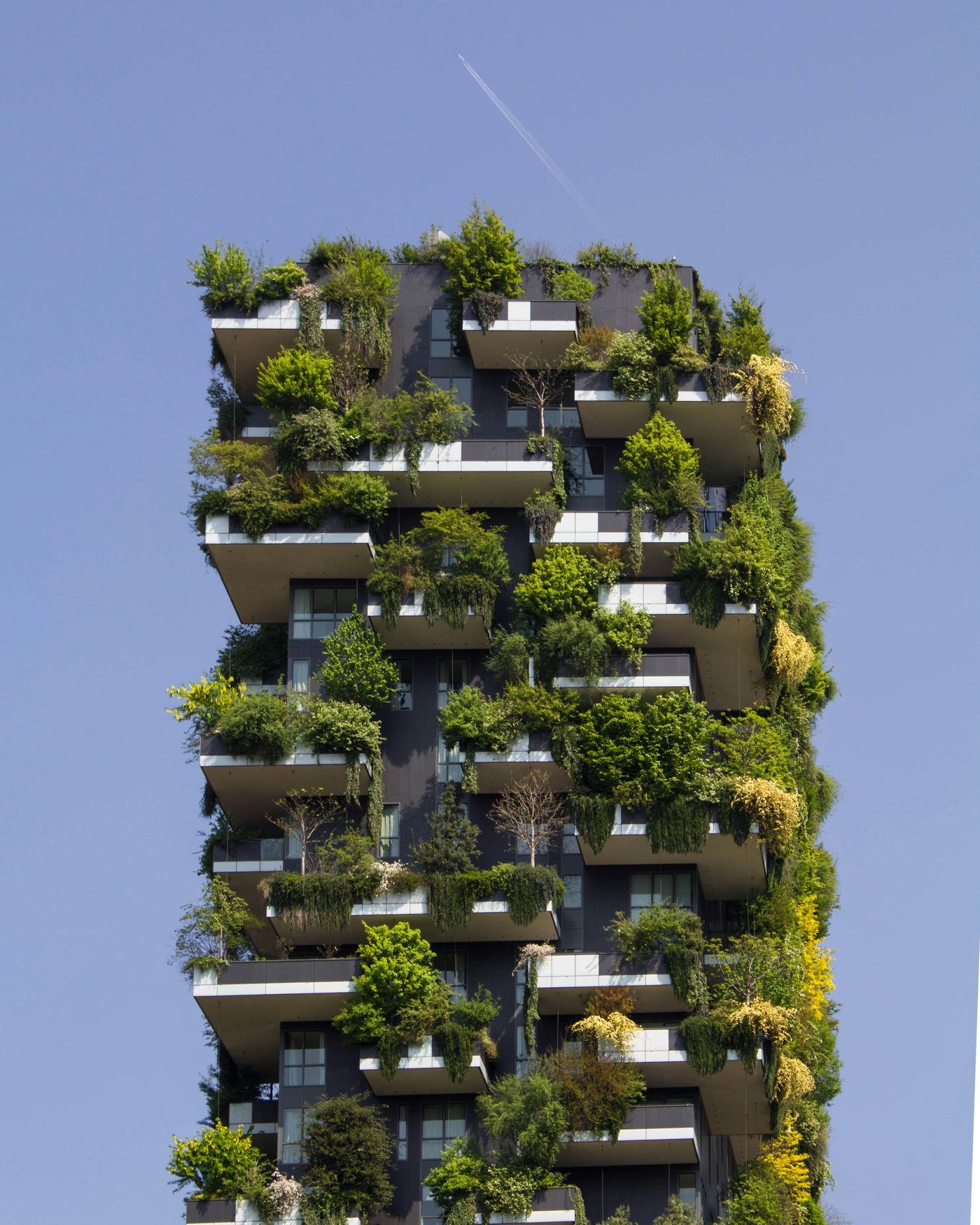
For millions across the world, the summer of 2026 will be remembered for relentless heatwaves. Across the world, temperatures climbed to unprecedented levels as an intense heatwave swept across the continent. Scientists have since confirmed that Western Europe experienced its hottest June on record, while studies concluded that the scale and intensity of the heatwave were made far more likely by human-driven climate change. India endured another blistering summer, while parts of China experienced record-breaking heat that placed unprecedented strain on electricity grids.
Heatwaves have always been part of the Earth's natural climate system. What has changed is their frequency, intensity and duration. As average global temperatures continue to rise, the conditions that once produced exceptional heat are becoming increasingly common.
Yet amid the growing concern, there is also innovation, resilience and hope. The future may be hotter, but it does not have to be less liveable.
Why cities feel hotter than the countryside
Concrete, asphalt, brick and steel absorb enormous amounts of solar energy during the day before slowly releasing it throughout the evening. Combined with relatively few trees and green spaces, urban areas often remain several degrees warmer than nearby countryside long after sunset. This is known as the Urban Heat Island effect.
Those warmer nights are particularly dangerous because our bodies rely on cooler temperatures to recover from the stress of daytime heat. Without that relief, the risks of dehydration, heat exhaustion, and cardiovascular illness increase significantly, particularly for older people and those with existing health conditions.
.jpg)
Air conditioning undoubtedly saves lives, but it also creates a dilemma. Cooling systems consume large amounts of electricity and pump waste heat straight back into the surrounding streets, making the very technology helping us cope with rising temperatures part of what makes cities hotter overall. As a result, architects, engineers and urban planners are asking a different question: how can we design cities that remain cool naturally?
Learning from nature's oldest cooling system
Trees remain one of the most effective cooling technologies ever developed. Their canopies shade roads, buildings and pavements from direct sunlight, while their leaves release water vapour through transpiration. As that moisture evaporates, it cools the surrounding air in much the same way perspiration cools the human body. Research has shown that streets lined with mature trees can be several degrees cooler than neighbouring streets without them.
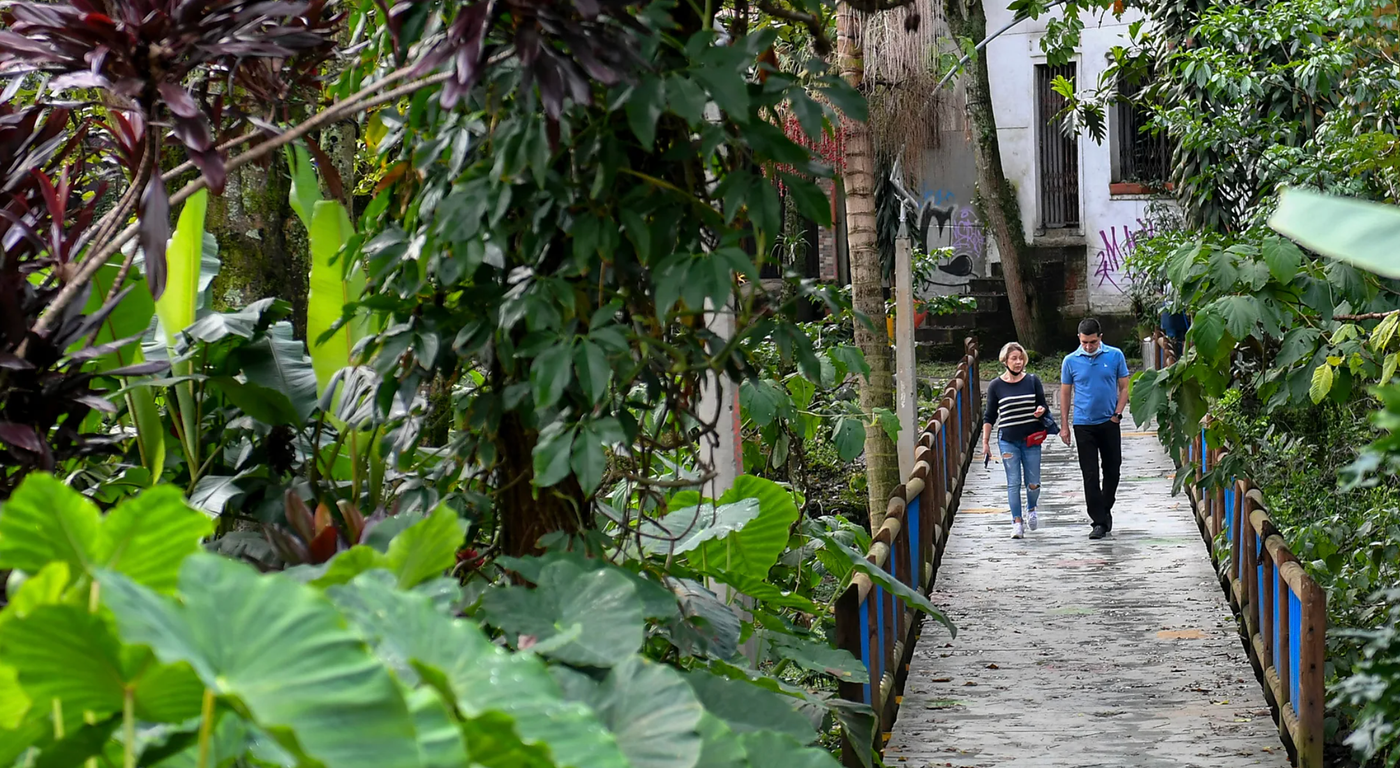
Few cities demonstrate this better than Medellín, which has become an international model for climate adaptation through its ambitious Green Corridors programme. More than 30 corridors of trees, gardens and vegetation now weave through the city along roads, rivers and public transport routes. Within a few years of implementation, average temperatures in these areas had fallen by as much as 2°C, while biodiversity increased dramatically as birds and insects returned to newly created habitats.
When buildings become gardens
As cities become denser, planners are increasingly looking upwards. Rooftops covered in soil and vegetation (‘’Green Roofs’’) are transforming buildings from heat absorbers into living ecosystems. Plants shade rooftops while cooling them through evaporation, helping reduce indoor temperatures and lowering demand for air conditioning. They also absorb rainwater, reducing pressure on drainage systems during storms.
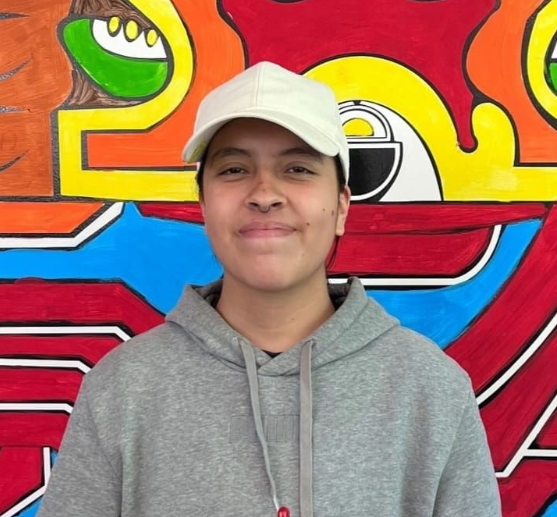
Our Cohort 3 Fellow, Berenice Acevedo Navarrete, wants to turn the rooftops of Mexico City green with her project idea, UrbanBloom. Her idea combines modular green roof systems with embedded sensors and data analytics addressing the urban heat island effect, helping cities reduce heat exposure and lower water/energy consumption.
Smarter materials for a hotter world
Sometimes changing the materials we build with can make an enormous difference. Traditional dark roofs absorb vast amounts of solar radiation, with surface temperatures sometimes exceeding 70°C during summer. Reflective "cool roofs" use specialised coatings that bounce much of that sunlight back into the atmosphere before it can be converted into heat.
Cohort 3 Fellow Aditya Ratnaparkhi from India is exploring the immense potential of new materials to transform our cities. His project FlamTabX is a climate-adaptive, bio-based thermal coating system that passively regulates heat on roofs and building surfaces, reducing indoor heat buildup and cooling energy consumption in heat-stressed urban environments.

The same principle is being applied to roads and pavements, where lighter-coloured materials help reduce surface temperatures while lowering the demand for air conditioning in surrounding buildings. Although each intervention may appear modest, together they create cooler neighbourhoods that consume less energy and produce fewer emissions.
Cities Reimagined
Climate adaptation is already being implemented in cities across the world; perhaps nowhere is this transformation more visible than in Paris. Thousands of parking spaces have been replaced with trees. School playgrounds, once covered almost entirely in asphalt, are being redesigned with vegetation, permeable surfaces and shaded play areas. New "urban forests" are planned around some of the city's most famous landmarks, while additional cycle lanes and pedestrian spaces are reducing both traffic and heat-trapping surfaces.
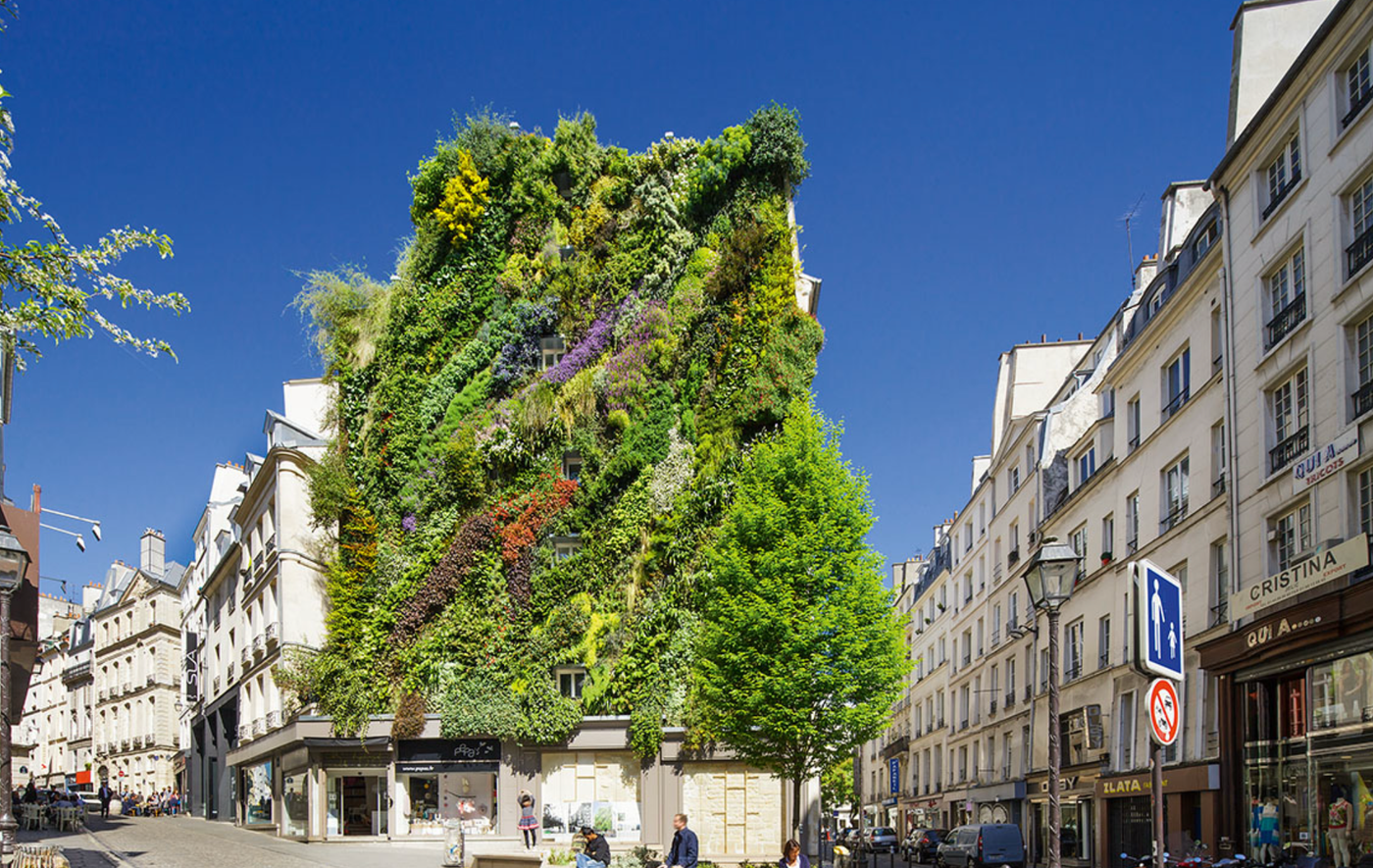
Athens is reviving a 2,000-year-old Roman aqueduct because Engineers believe Hadrian’s Aqueduct, which was constructed in the second century, can help the city conserve dwindling water supplies amid worsening droughts. Vienna is actively combating urban heat through the "Cool City" initiative, an ambitious climate adaptation strategy targeting urban heat islands. Core projects include de-paving concrete areas to plant trees, misting fountains, and adding lush greenery to building facades
The objective is not simply to reduce temperatures. It is to create neighbourhoods that are healthier, quieter and more enjoyable to live in.
A future we can still shape
Some degree of future warming is now unavoidable. Heatwaves will almost certainly become a defining feature of life during the twenty-first century, but that does not mean we are powerless. History shows that cities are remarkably adaptable. They have evolved through industrial revolutions, pandemics, population booms and technological change. Climate change is the latest challenge demanding a new way of thinking.
The encouraging news is that the solutions already exist. The challenge now is to move faster. Every tree planted, every rooftop transformed into a garden, every park protected and every street redesigned brings us one step closer to cities that are healthier, cooler and more resilient.
At beVisioneers: The Mercedes-Benz Fellowship, we are searching for solutions that help combat extreme climate conditions like heatwaves. Cohort 5 applications open later this year, and we'll be on the lookout for young innovators who have a great idea or prototype that can help us reimagine our cities for future heatwaves.
Sign up to our mailing list to be the first to know when applications open: https://bevisioneers.world/sign-up
Sources:
- ''Heatwaves today occur around three times more often than they did before the industrial era'' - IPCC Sixth Assessment Report
- ''Urban areas can be 5–7°C hotter than rural areas because concrete, asphalt and buildings trap heat'' - WMO Urban Heat Island
- ''Over just the past 4 years, heat has claimed more than 200,000 lives across the EU and its associated countries'' - WHO statement
- WMO Bulletin July 6th
- ''Cooling efficacy of trees across cities is determined by background climate, urban morphology, and tree trait'' - Study in Nature
- EPA Clean Energy Report