3 Examples of Shared Agency for Environmental Action
Hannington Sserwanga was stuck.
He had the vision: restore pollinators in Kampala and build a community around sustainable livelihoods. But without the funding he expected, progress felt out of reach.
Then one conversation changed everything.
Through the beVisioneers network, Hannington connected with fellow entrepreneur Frederik Hornung. What started as a virtual exchange quickly became something more: a visit to Uganda, a shift in perspective, and a simple but powerful realization: instead of waiting for resources, work with what already exists.
That shift unlocked access to land, new partnerships, and a collaboration with a local sanctuary supporting vulnerable women. What began as a funding challenge evolved into a community-powered solution.
This is what shared agency looks like in practice.
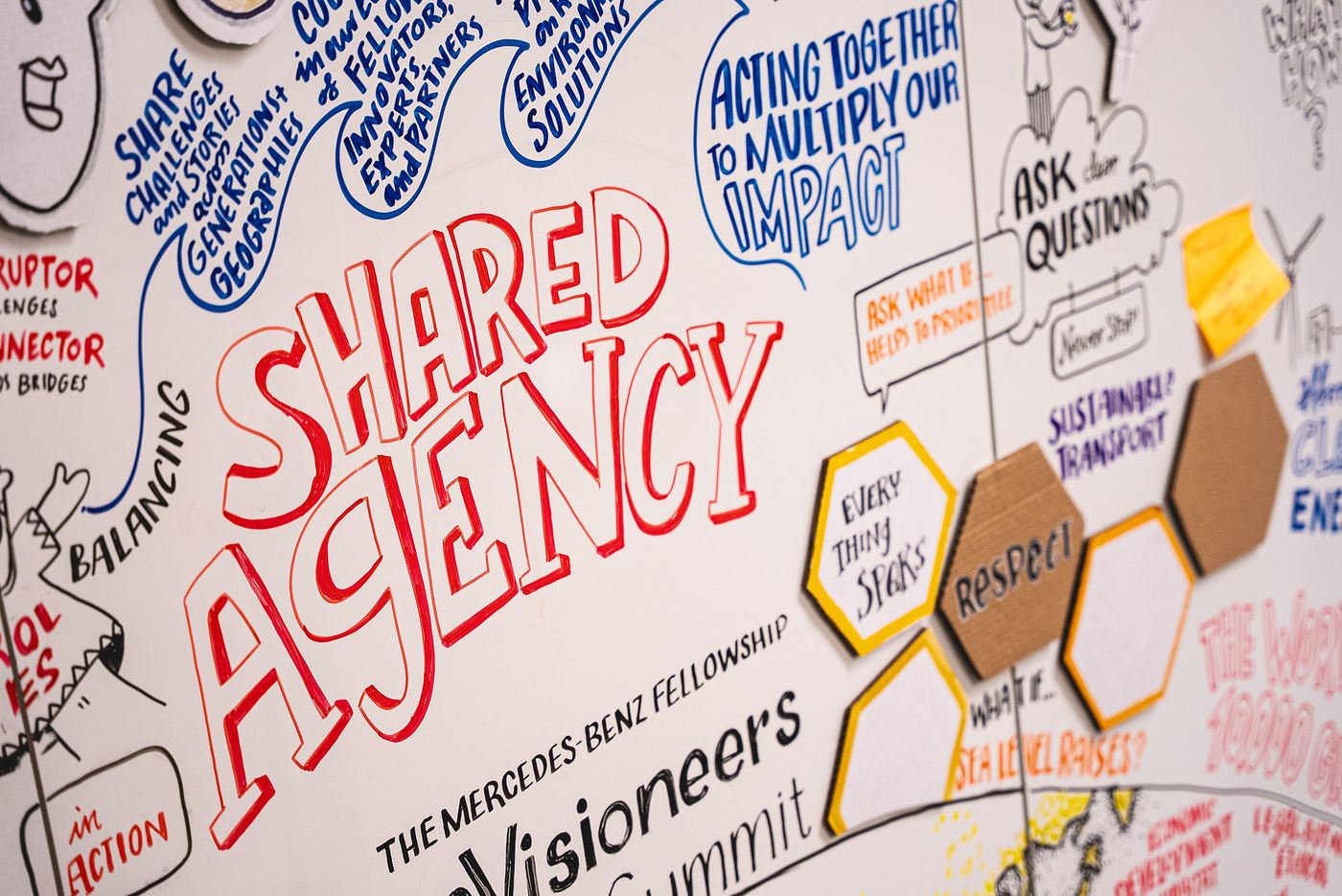
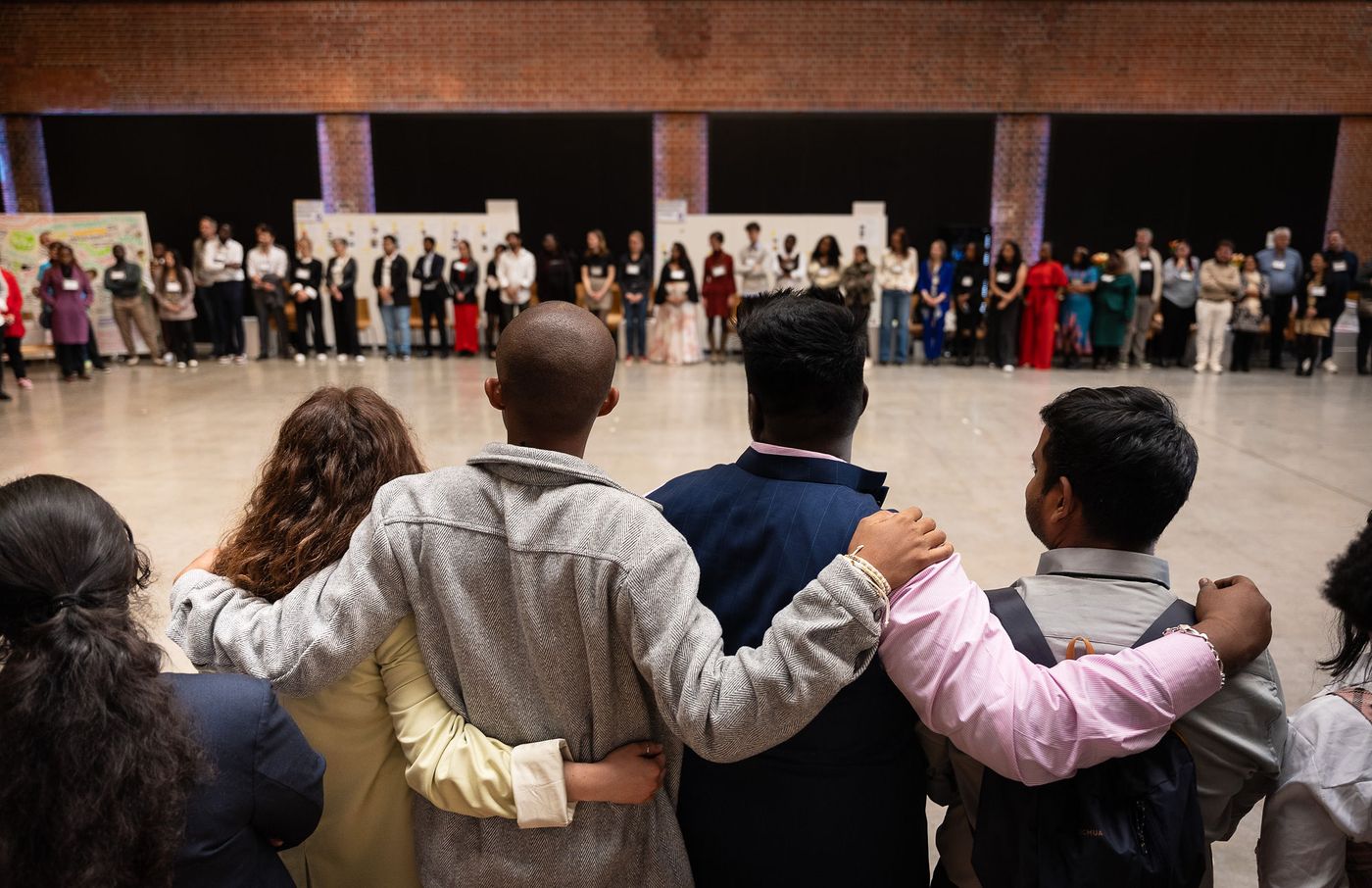
Stories like Hannington’s are not isolated. They are the result of a deliberate approach introduced at the 2025 beVisioneers Global Summit under the theme Shared Agency. The idea of placing power in the hands of those closest to the problem, and connecting them with the people, tools, and networks to act on it.
At the Summit, this idea moved from concept to commitment. What followed was a year of action across the global beVisioneers: The Mercedes-Benz Fellowship community.
Across cohorts and regions, Fellows began putting Shared Agency into practice in different ways through collaboration, peer support, and unexpected partnerships that extended beyond traditional structures.
To understand this in action, we reached out across the ecosystem. What emerged were powerful examples of Fellows, Mentors, and community members working together to turn ideas into impact.
Here are three of those stories.
Cohort 3 Fellow Hannington Sserwanga and Cohort 1 Fellow Frederik Hornung
Cohort 3 Fellow Hannington Sserwanga, from Uganda, and his project Kampala Buzzline are working to restore bees, butterflies, and other local pollinators within his community, while providing education and skills to people in his community. Hannington took advantage of the beVisioneers global community and connected with Cohort 1 Fellow Frederik Hornung, founder of Zam Bam Sports. Frederik from Germany and Hannington from Uganda, connected virtually, began to exchange ideas, and soon a meetup in Uganda happened.
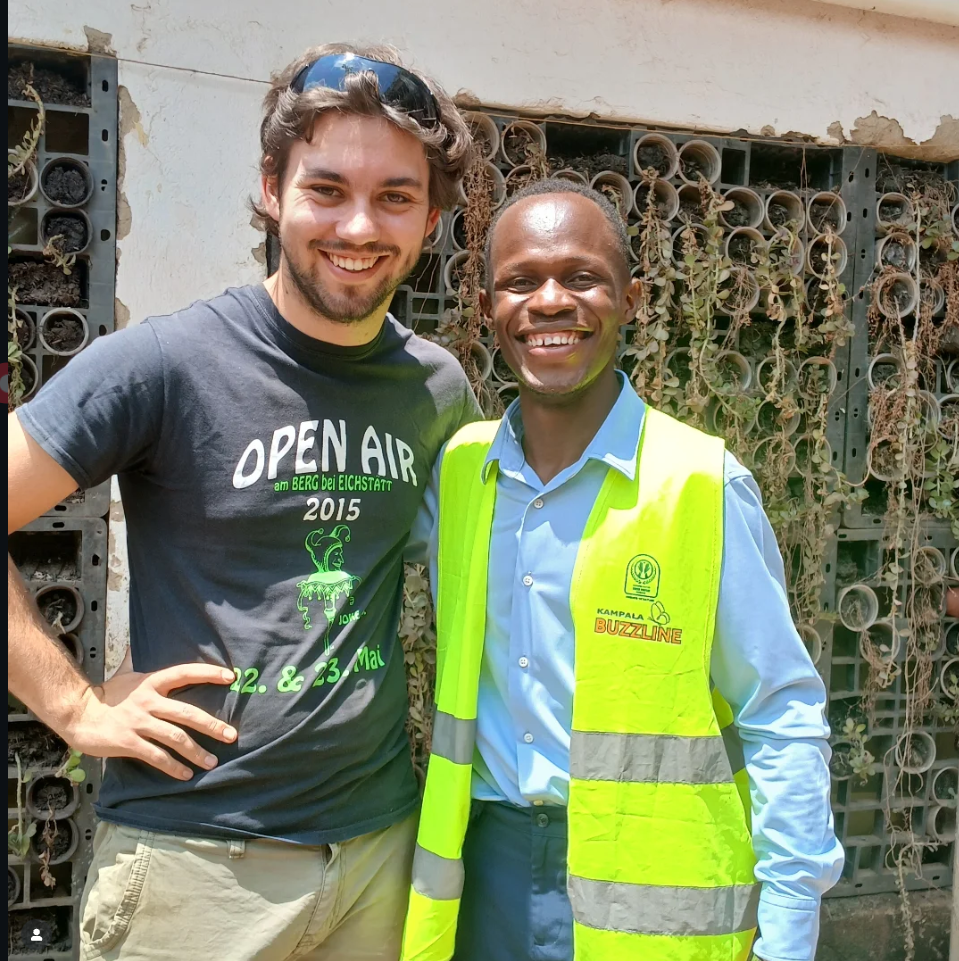
An “aha” moment for Hannginton, who was seeking guidance on how to move forward without his ideal projected funds for his project. Frederik saw an opportunity to work with what was around him.
This expansion happened and shifted his way of working. This then led to a local connection with “Set Her Free,” a sanctuary for orphaned girls, young mothers, and women in need.
This allowed Hannginton to secure not only land, but also a new network, broader Hannginton to secure not only land, but also a new network, broader skills, and training in exchange for land, which birthed community school-wide green initiatives, funding for his project, and more.
He, with the help of guidance from Frederik, was able to solve what at first felt like a problem, access, and find a solution that gave him exactly what he was looking for.
Cohort 2 Fellow Kornelia Rozwadowsk and Mentor Christophe Levy
Sometimes you struggle to source the funding, like Hannington. Other times, you have the funding but do not know where to obtain the resources. Cohort 2 Fellow Kornelia Rozwadowska, a Project Scholarship recipient, had plans to purchase specific lime for her construction-based project.
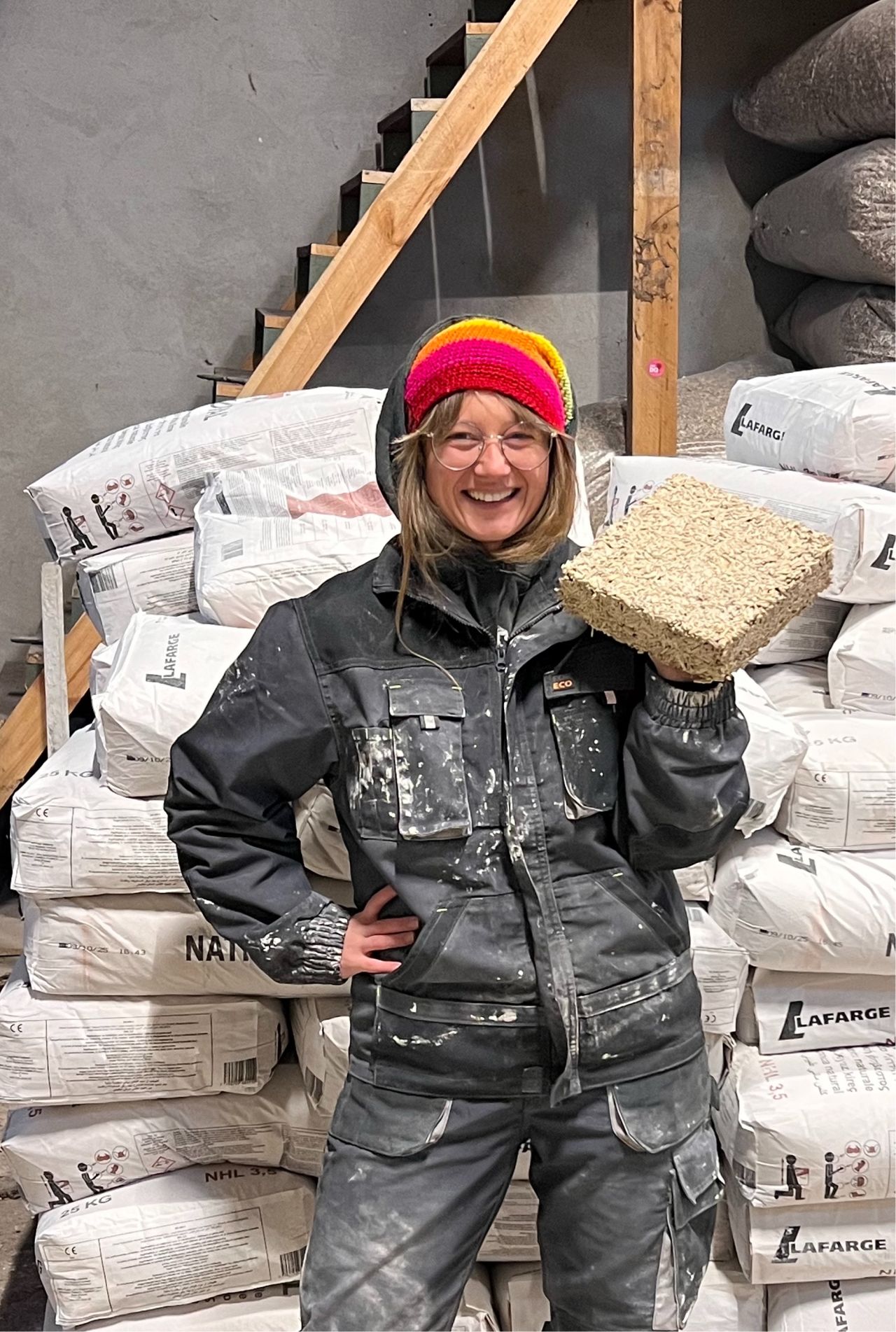
Sourcing sustainable materials is an ongoing challenge in sustainable construction, especially when projects require something highly specific. While exploring how and where to find the right material for her work, Kornelia turned to her beVisioneers Mentor for guidance.
A core element of the Fellowship is the 1:1 mentorship each Fellow receives, designed to support them throughout their innovation journey. Through this connection, her Mentor, Christophe Levy, was able to link her directly with someone who had exactly the material she needed. With the added support of her project scholarship, Kornelia not only found the right source but also had the financial means to secure it, turning a challenge into a clear next step forward.
And the favor didn’t stop there; the supplier declined payment from her. Kornelia insisted, and instead, he sent what she needed to start with, nearly 3.2 tons of lime to her country in Poland from France, free of charge, saving her 736 Euros. Sometimes this is how shared agency is put into practice: you have the means, but the physical source to build what you need is lacking until a connection is made, and it turns out better than you expected. Free materials are sent directly to you. Kornelia needed help, and she trusted and talked with her beVisioneers network. Together, they solved her problem.
Solving problems does not mean solving on your own. Sometimes talking to a trusted guide, like a Mentor, can point you in the right direction.
Cohort 3 Fellow Denyse Mukeshimana and Mentor Olive Mbone Enie
Aiming to address unsustainable farming practices in East Africa, Cohort 3 Fellow Denyse Mukeshimana finalized her farmers' manual. A guide that would aid smallholder farmers and improve their practices to help increase their profitability while continuing to produce safe, nutritious food.
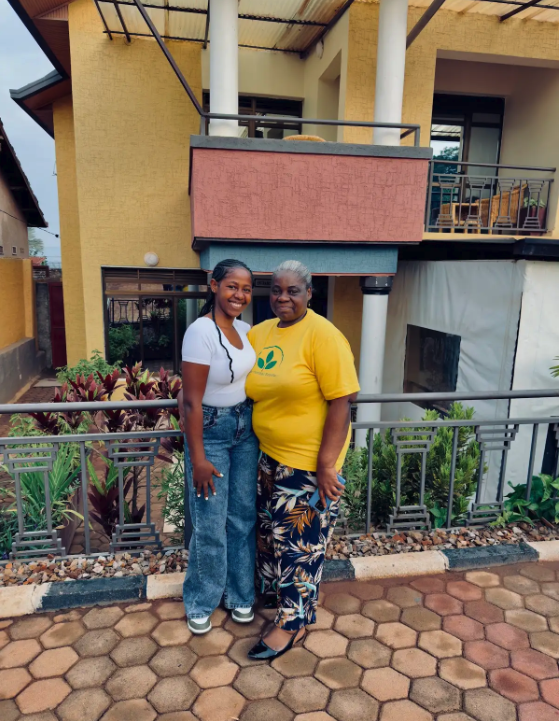
Her beVisioneers Mentor, Olive Mbone Enie, believed that Denyse’s next step was an aligned partner to get her to the next level: a partner from her network, Hope Integrated Community Programs Organization, which works with rural communities in Kitale, Kenya. Their role is to support the implementation of her project through their existing structures, including an active demonstration farm that can be improved, as well as a strong network of smallholder farmers and farmer groups.
This connection, the progress made in her project, and a nudge from her Mentor to submit her proposal to international programs in Canada, like the Canadian Association for African Studies, led to exactly what she needed: global visibility and funding.
The power of the Fellowship lies in its community. Fellows consult one another on ideas, community-led initiatives like local hubs, turning overwhelming problems into solvable ones together. That spirit of collaboration has already given rise to 1,228 projects projects launched, 471 of which are income-generating.
Shared agency showed us that collective action works. Now, the opportunity is to build on that momentum - expanding it across generations, regions, and sectors to drive even greater impact.
The countdown to the Global Summit has begun. Keep an eye on our channels from May 6-7 to get live updates from the event!
With this in mind, we introduce the theme of the 2026 beVisioneers Global Summit: Generations for the Planet, a call to bring together diverse generations to accelerate planet-positive innovation where it’s needed most.